Education in Traditional Chinese Medicine
As one of the SNRO-accredited institutes for Traditional Chinese Medicine in the Netherlands, we offer a unique curriculum in education in Acupuncture, Herbal Medicine, Tuina. Our more than 35 years of expertise in these programs brings Shenzhou Open University of TCM a remarkable reputation in this area, where both the school and its graduates can be proud of.
Seminars
We also regularly organize TCM seminars and MBK refresher courses. We hope to be able to offer you a good choice with this season’s offer.

Our TCM Training Program
We offer a complete package with practical training, so that you can register as a therapist at a professional association and start your own clinic after completing the study.

Foundations of Chinese Medicine (FCM)
More informationDuring this course students are taught the basic concepts of traditional Chinese medicine and are introduced to Chinese philosophy which forms the cornerstones of TCM. This part of your studies is the necessary foundation to be able to study further, specializing in Acupuncture, Chinese Herbal Medicine or Tuina.

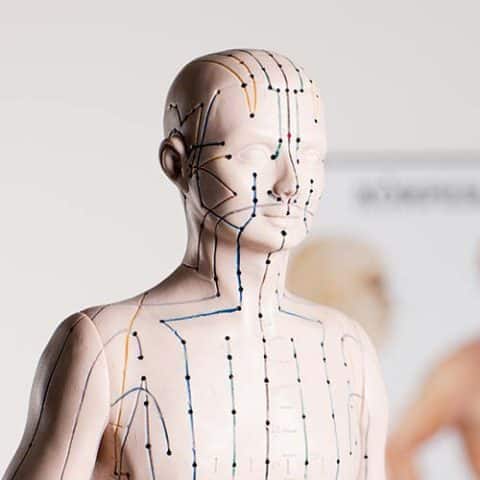
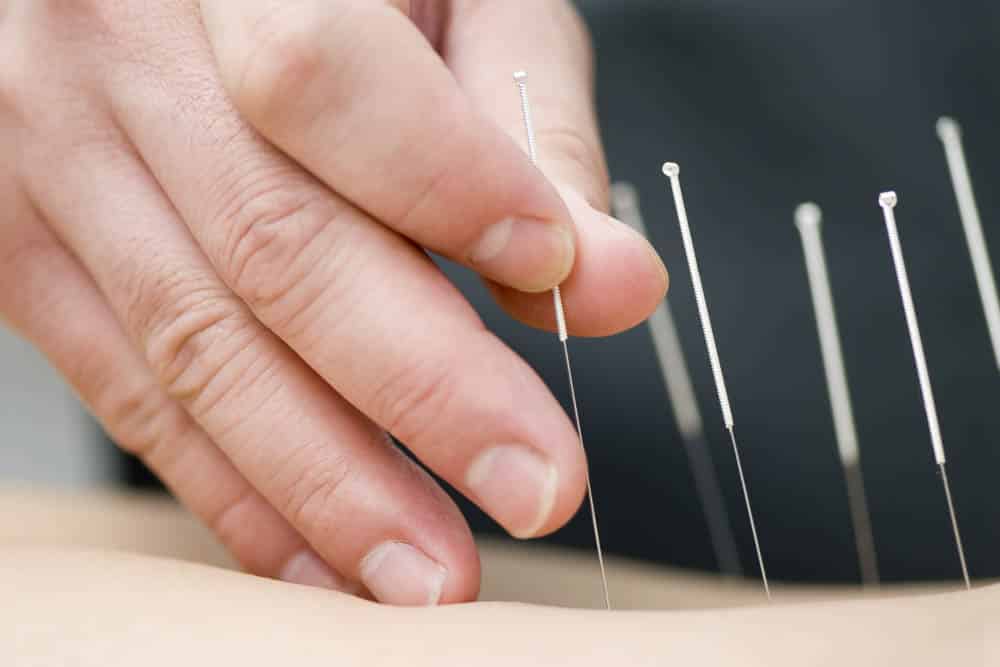
Acupuncture
More informationThis vocational training course in acupuncture prepares students for their career as acupuncturists at a professional level. Students are introduced to the classical methods of TCM as well as the modern developments of TCM.

Herbal Medicine
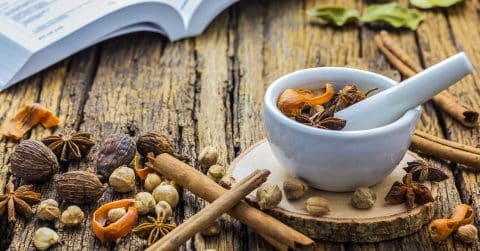
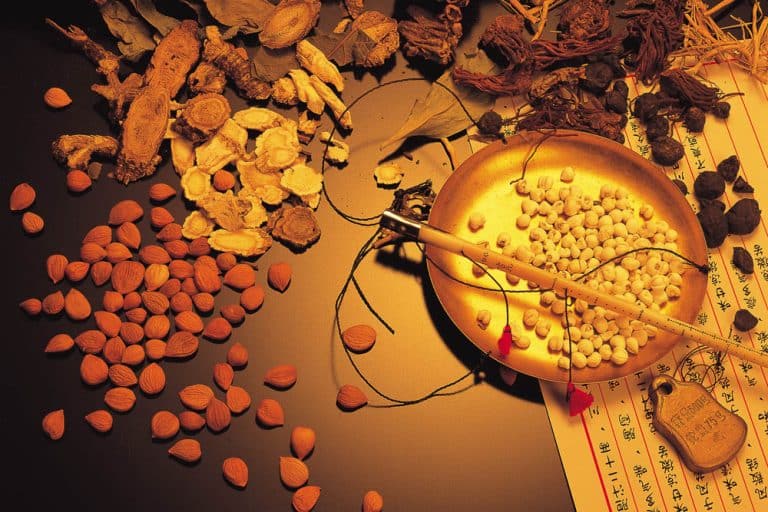
More informationThe herbal medicine class introduces students in the knowledge of Chinese herbs and trains them to run a practice independently as well as to work safely, competently and effectively.
-
Tuina
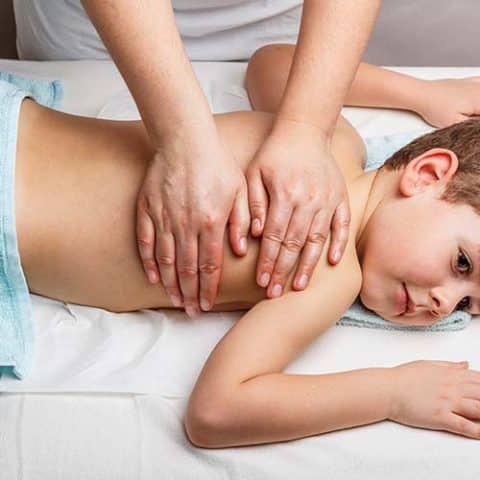
More informationDuring this course students are taught different techniques and applications of Tuina massage. This ancient technique of manipulation, originating in China, is applicable to treating various diseases. A solid knowledge of meridians and acupoints is necessary. Tuina massage is suitable for all adults and works especially well for children.
Western Medicine
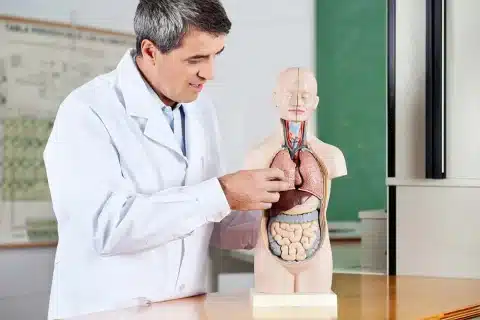
More informationThis intensive training in Western medicine is designed for anyone who is studying physically based complementary medicine in order to gain knowledge in anatomy, physiology and pathology at a professional level.
TCM Seminars
Shenzhou Open University of TCM frequently organizes TCM and Western Medicine seminars. With our program for this season, we hope to offer you a good choice.

Qigong Health Exercises
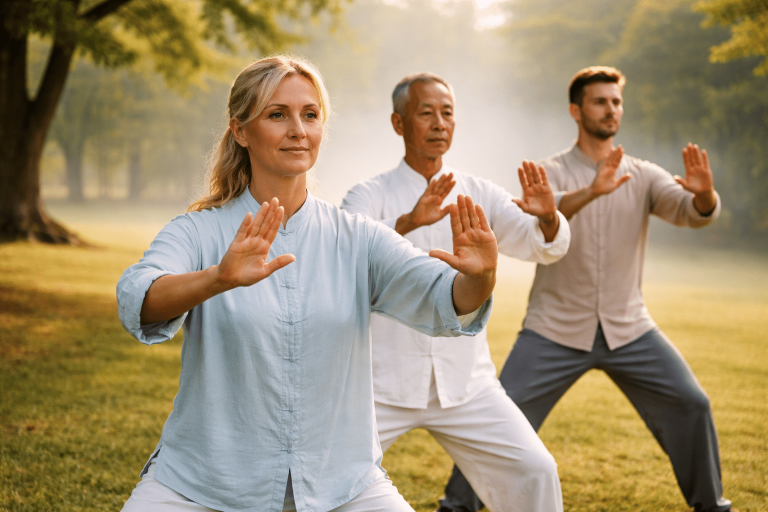
Medical Qigong is one of the oldest therapeutic methods within Traditional Chinese Medicine. It has long been applied both for the personal development of practitioners and as a supportive approach in patient care. This course offers a practical introduction to…
More information-
Clinical Application of MuChin master blends
Muchin was founded by Chief Physician Shaomin Xue, Dr. Anneleen Six and Anouk Lagae from a shared vision: to make the rich tradition of Chinese herbal medicine more accessible, practical and clinically applicable for practitioners working in a modern Western…
More information 
Neurofunctional Scalp Acupuncture (NFSA) (fully booked)
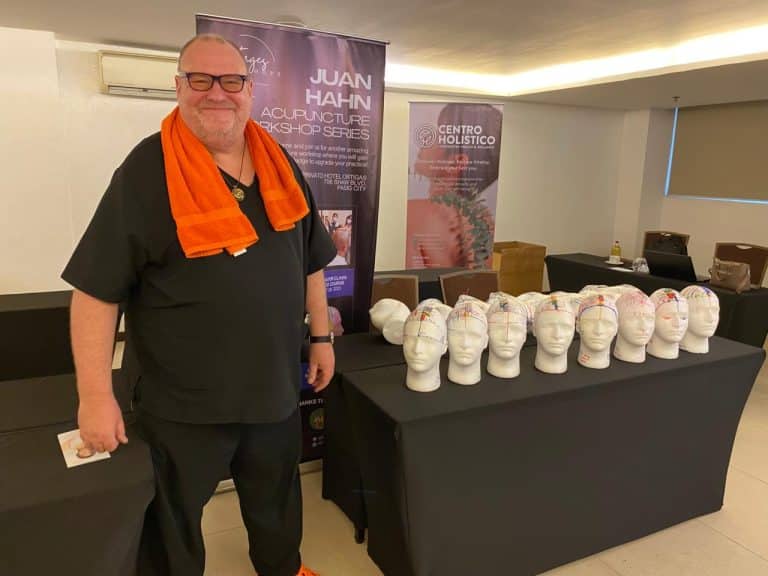
Contrary to common belief, Jiao Sunfa scalp acupuncture and Zhu scalp acupuncture are not limited to the treatment of neurological disorders. They can be applied equally effectively to conditions related to internal medicine, endocrine disorders, emotional disturbances, gynaecological conditions, and—of…
More information
Sleep and Insomnia
Good Sleep is essential to maintain health and attain longevity, whereas poor-quality or insufficient sleep can endanger health and shorten the lifespan. Insomnia is the most common sleep disorder, affecting nearly one-third of adults. Insomnia can cause substantial harm to…
More information-
Lower Limbs Musculoskeletal Pain – Mazzanti AcuOsteo Method
The seminar includes an extensive practical component, enabling acupuncture practitioners to confidently and effectively apply acupuncture and osteopathic techniques in their clinical practice from the very first day after the seminar. Dr. Umberto Mazzanti: “Musculoskeletal pain is one of the…
More information 
Cosmetic Acupuncture
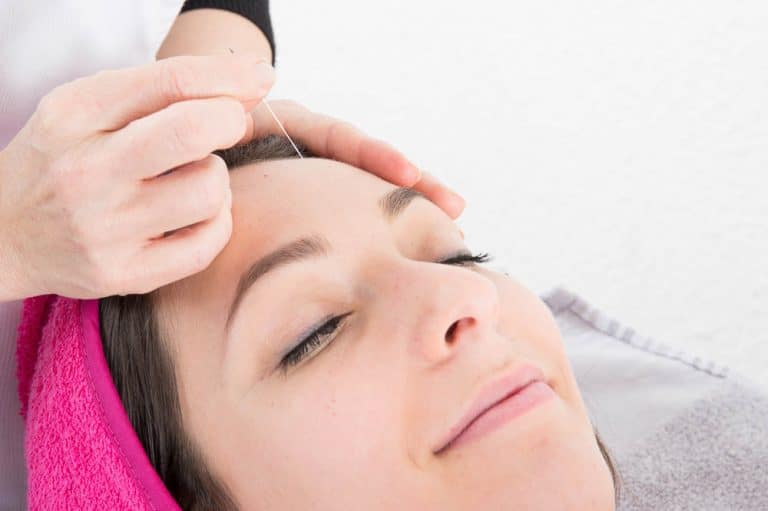
This 2-days workshop will introduce you to the world of Cosmetic Acupuncture. In addition to the theory, we will mainly focus on the application of various techniques in cosmetic acupuncture. Cosmetic acupuncture is a safe and interesting alternative to fillers…
More information


Our full range of training courses are accredited by SNRO at HBO bachelor level with 240 ECs.
(incl. Basic Medical Knowledge 40 EC)
More information about SOU
With more than 35 years of teaching experience behind us, we have built an excellent reputation in our field, which the school and alumni can be proud of.
Study information
The School
Internship
Teaching and clinic training team
Lecturers of Shenzhou Open University all have a broad knowledge and experience.